
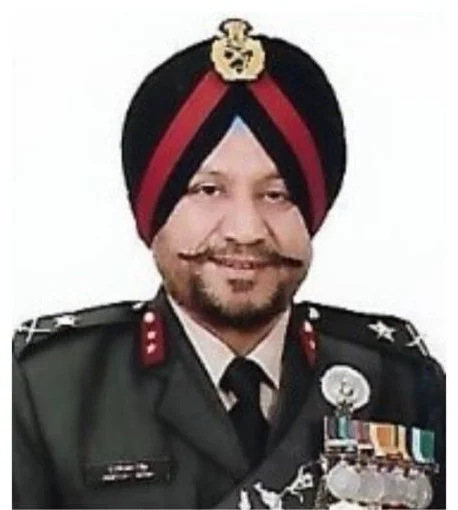
Maj Gen Harvijay Singh, SM) Senior Patron Sanjha Morcha
Jo to praym khaylan ka chaao, sir dhar talee galee mayree aao.Those who wish to play the game of love (Sikhi way of life), come to me with your head in your palm. Guru Gobind Singh
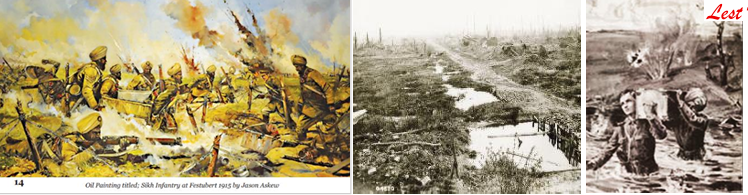
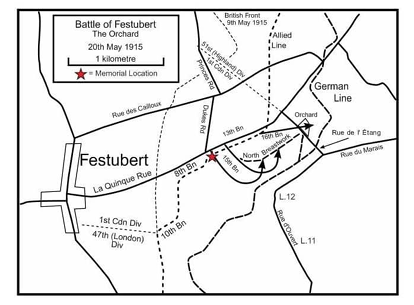
On 17 May 1915, a company of 15th SIKHs (Now 2nd Battalion, the SIKH Regiment) were in occupation of a section of a German trench. Engaged in the northern pincer of the offensive, near Richebourg l’Avoué, they were a part of the 3rd (Lahore) Division – 9th (Sirhind) Brigade Area between the two sides had been barricaded with corpses; the stench was un-bearing. Their state of ammunition was critically low. Resupply from the reserve trenches 250 yards away could enable them to hold out. British units had attempted to do so twice, on both occasions the officer in command had been killed and the party practically wiped out; a frightful situation to say the least.
Only a desperate action could save the day. Lieutenant John Smyth, 15th SIKHs, was ordered to take a bombing party. He took with him ten bombers from a crowd of volunteers. It became difficult for him to reject volunteers and finally he chose randomly perhaps looking for bigger guys who could pull the heavy load. Names of these heroes must be recalled with pride. Lance-Naik Mangal Singh, Sepoys Lal Singh, Sucha Singh, Sampuran Singh of 15th SIKHs. Sarain Singh, Sundur Singh, Ganda Singh, Harnam Singh of 19th PUNJABIs. Fateh Singh, Ujagar Singh, of 45th SIKHs. They set out with a gusty battle cry: ‘Jo Bole So Nihal, Sat Sri Akal’, ……. taking two boxes containing ninety-six bombs.
Dropping over the parapet they wriggled their way through the mud, pulling and pushing the boxes along with them. They used pagris attached to the boxes and the men in front pulled them along, over and through the dead bodies, those behind pushed. • Even before they progressed a few yards, Fateh Singh fell, severely wounded. • In another hundred yards, Sucha Singh, Ujagar Singh and Sundur Singh were shot. Extreme bravado and faith in their Guru kept the remaining six going. • They nearly reached the end, when, Sarain Singh and Sampuram Singh were shot dead. Ganda Singh, Harnam Singh and Mangal Singh were wounded.
The second box had to be abandoned. Lieutenant Smyth and Sepoy Lal Singh wriggled their way ahead yard by yard. Water around them churned by a hail of bullets, and, clambered up the far bank amongst their cheering comrades. Both were unhurt, though their clothes were perforated by bullet holes. • However, shortly afterwards Lal Singh was struck by a bullet and killed instantly. In the final count, all ten Brave Sikhs were casualties. Once again after Saragarhi all Sikh Soldiers in a detail, had fallen executing an extreme and impossible task. For them the ‘izzat’ (pride) of the regiment and devotion to duty was above any other fear and danger. So ended one of the most gallant episodes of the World War I. “Attaching their puggarees to the fronts of the boxes, the men pulled them over or through the dead bodies, all of the party lying flat on the ground.
At any moment the bombs in the boxes might have exploded, for the whole of the ground was hissing with the deluge of rifle and machine gun fire, while the air was white with the puffs from bursting shrapnel.” Page 37, Leader Newspaper (Melbourne), Saturday 31 July 1915 Lieutenant Smyth was awarded the Victoria Cross. Lance Naik Mangal Singh received the Second-Class Indian Order of Merit, while the Indian Distinguished Service Medal was conferred on all sepoys of the bombing party; another and only collective award after the epic battle of Saragarhi. Many critics have felt the Sikhs deserved higher gallantry awards; for the gallant bombers, this was never a consideration. The Indian Armed Forces stand tall among their global peers because of their rich battle-hardened heritage, high motivation and tough training. ………………Contd, because these stories must be told – Lest we Forget
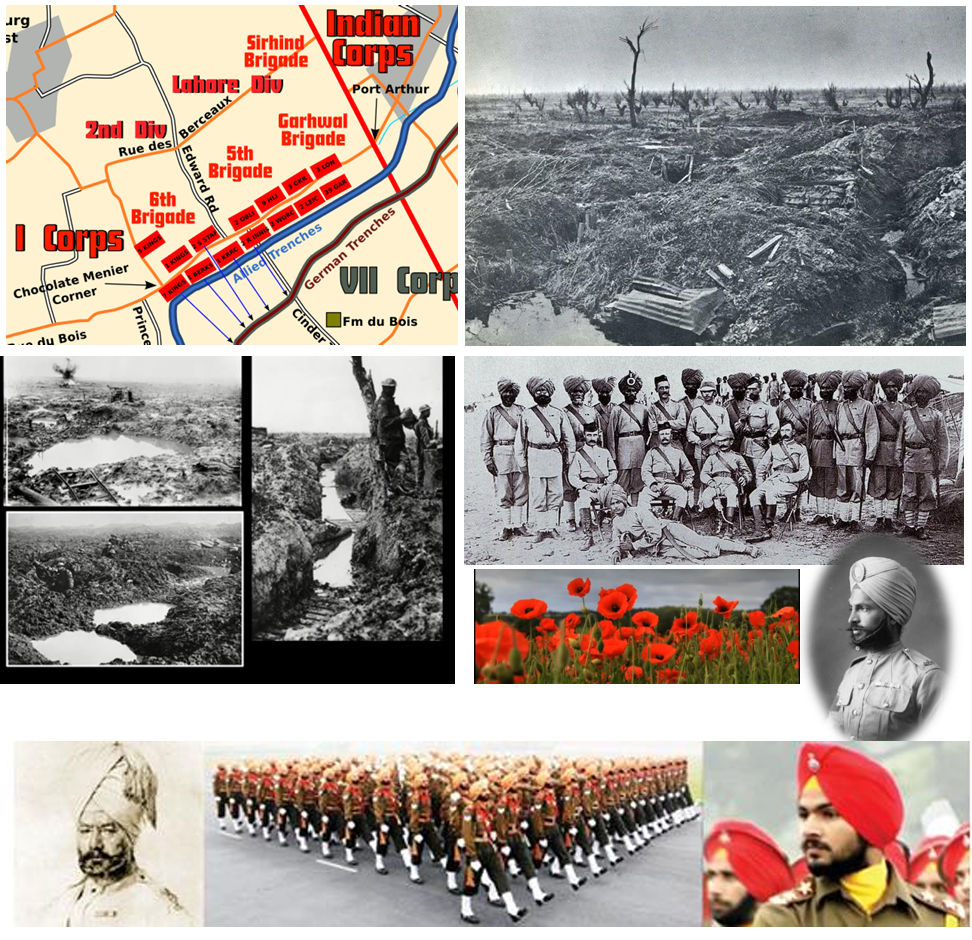
The 15th Sikh Regiment of the British Indian Army – A rich legacy. Today the: 2nd Battalion, the SIKH Regiment (2 SIKH) — the direct, unbroken successor of the old 15th (Ludhiana) Sikhs. The 15th Sikhs built a formidable record across Asia and Africa: • China Expedition (1860–62) • Second Anglo-Afghan War — Ahmed Khel, Kandahar • Sudan (Mahdist War) — Suakin, Tofrek Chitral Expedition • Tirah Campaign • World War I o Western Front (France) o Egypt (Western Frontier Force) o Mesopotamia