
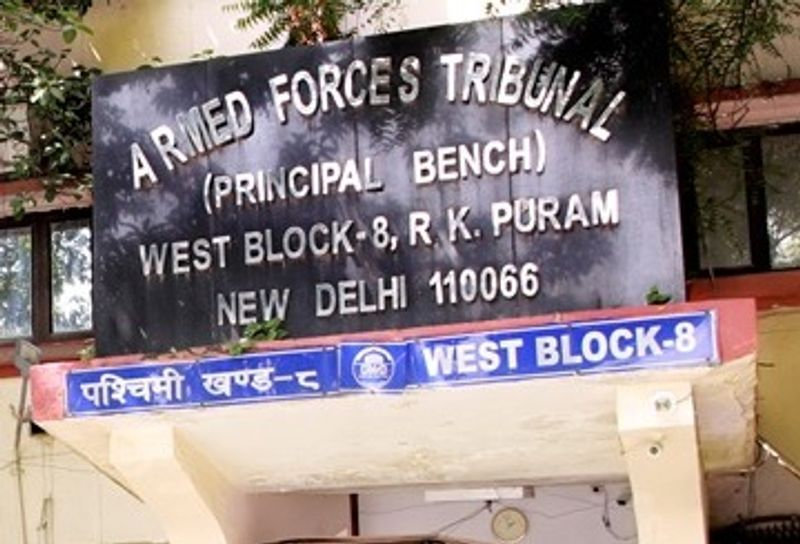
The Armed Forces Tribunal (AFT) had declined to grant relief to a colonel facing trial by a general court martial (GCM) on charges of sexually harassing a woman major after holding that the law as laid down by the Supreme Court prohibits interference by the tribunal at the interlocutory stage in court martial proceedings.
The tribunal’s bench comprising Justice Rajendra Menon and Administrative Member Rasika Chaube held that there are serious complaints against the petitioner with regard to sexual harassment of a lady officer and materials available on record based with the court of inquiry (COI), the allegation against him seems to have been established.
“Prima facie, case for trial having been made out, a chargesheet has been issued to the petitioner and a GCM convened. At this stage, when the matter is in a court martial, it is not appropriate for this tribunal to evaluate the objections on merit and thereafter interfere into the matter,” the bench said in its orders made available on Monday.
On a complaint received from a woman officer regarding sexual harassment and acts unbecoming of an officer, a COI was conducted by the Army. A complaints committee also found acts of commission and omission by the petitioner to be in violations of various sections of the Prevention of Sexual Harassment Act as well as relevant provisions of the Army Act.
During the GCM proceedings, the petitioner raised plea of jurisdiction and limitation of the trial averring violation of Rule 49, 51 and 53 of the Army Rules, which deal with the procedure for an accused to object to the charges during a court-martial, challenging the court’s authority to try a person or the validity of charges against him and limitation period.
He contended that GCM has been convened illegally and the complaint against him is frivolous and unsustainable. He invoked the tribunal’s jurisdiction seeking quashing of COI, the charge sheet issued to him and the GCM proceedings against him.
The bench said that in light of the facts and circumstances the case and keeping in view the directives of the Supreme Court, it was not inclined to interfere in the matter. “The petitioner should face the trial and finally after the trial is concluded by the court, he will have the right to in invoke the appellate jurisdiction of this tribunal,” the bench ruled.