
What does an emboldened Pakistan mean for India, and how is Islamabad’s strategic calculus likely to shape vis-à-vis India
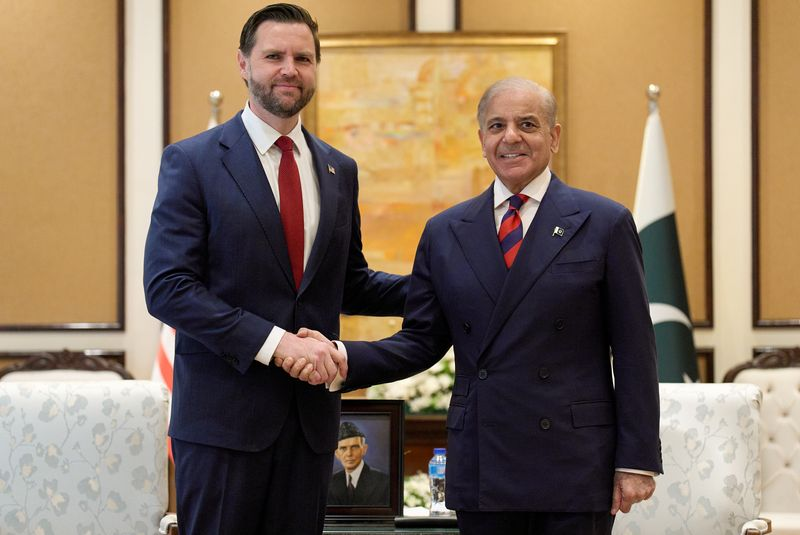
The two-week ceasefire between the US and Iran, the pause in the conflict in West Asia, and the start of talks in Islamabad raised hope for peace. However, an uncertain outcome of the talks has left the ceasefire in jeopardy. Even though the proposals from the US and Iran have been discussed widely, the details and, more importantly, the future of the talks remain unclear. Irrespective of the lack of any outcome and the environment of deep mistrust between Tehran and Washington, Pakistan will cherish its position as a mediator and see it as a pathbreaking opportunity to rebuild its much-desired strategic relevance and enhance its credibility in geopolitics. Pakistan positioned itself as a convenient venue given the past complexities related to obvious venues, including the Gulf and Europe. The Iran crisis has indeed been extremely unnerving for Pakistan, given its high potential to escalate multifold challenges for Islamabad.
pproximately 15 to 20 per cent of Pakistan’s population is Shiite Muslims, and news of Iran’s Supreme Leader, Ayatollah Ali Khamenei’s death during a joint US-Israeli air strike on February 28, 2026, led to violent protests in Pakistan. There has been condemnation of the US strikes on Iran, and Pakistan would not risk sectarian tensions at this point, when the country is under massive pressure with the ongoing conflict on the border with Afghanistan.
Tensions have escalated between Islamabad and Kabul, and Pakistan continues to blame the Taliban for patronising and sheltering the militant group Tehrik-i-Taliban Pakistan (TTP). Pakistan has demanded that Afghanistan formally declare the TTP as a terrorist organisation. TTP has been emboldened post August 2021, expanded its militant network, integrated with existing separatist/insurgent groups, advanced its tactical capabilities and has continued to relentlessly target the security personnel in Pakistan. Islamabad’s punitive measures against Kabul, which include an increase in trade tariffs, closure of border check posts, the repatriation of the Afghan refugees and finally the strikes in mainland Afghanistan leading to significant civilian casualties, have failed to persuade Afghanistan to adhere to the demands of the Pakistani leadership.
Pakistan’s southwestern province, Balochistan, which has remained restive with raging insurgency, cannot remain immune to the ripples of instability and tensions in Iran, given the geographical proximity it shares with Iran. In this respect, two issues are critical.
First, Iran-based Sunni separatist militant group Jaish-al-Adl (Army of Justice) has been reportedly drawing support and emulating the war tactics of the separatist groups in Balochistan in Pakistan, including the Baloch Liberation Army (BLA). The second issue is the attacks on the China-Pakistan Economic Corridor by the BLA and the TTP.
Pakistan’s economy is heavily dependent on remittances for its sustenance. Interestingly, around USD 20 billion in remittances come from the Gulf, and instability in the region will dissuade Pakistani nationals from going to the Gulf for work.
On the diplomatic front, Pakistan juggles with complex choices and enjoys the leverage to act as a convenient mediator, given- Field Marshal Asim Munir’s freshly revived bonhomie with the US President Donald Trump, historical and rich ties with Saudi Arabia, and eternal brotherhood and long-standing alliance with Beijing, a significant stakeholder, given China’s economic and strategic interests and footprint in the region.
The reset of ties with the US has been the top priority for the military-led state, given its deep financial, strategic and reputational interests. Pakistan not only credited President Trump for the ceasefire between India and Pakistan during the May 2025 conflict but also nominated Trump for the Nobel Peace Prize. Given its desperation to manage its goodwill with the White House, Pakistan refrained from opposing the US and Israel’s strikes in Iran. The best choice for Pakistan was to leverage its position with the Americans and offer itself as a channel of communication between Iran and the US.
Pakistan’s relationship with the Gulf became complicated with the Iran crisis. Pakistan and Saudi Arabia share warm historical ties, and the Saudis top the list of Islamabad’s traditional donors and partners for managing financial distress. Iran’s strikes on Saudi Arabia did challenge Pakistan’s commitment to honour the Strategic Mutual Defence Agreement (SMDA) signed between Pakistan and Saudi Arabia in September 2025, which includes a clause on a collective defence framework. Although Pakistan had no intentions of engaging militarily in the Iran crisis, it repeatedly communicated Riyadh’s displeasure to Tehran and also reminded Tehran of the SMDA.
Pakistan is facing strategic complexities and security challenges within and from all sides of its borders. The likelihood of a Kabul-Islamabad truce is extremely bleak, given the history of the strained relationship between the two neighbours. The TTP is the dominating issue at this point, but the fact is that bilateral tensions have complex dimensions, including the contested Durand Line and Pashtun nationalism in Pakistan’s frontier province. Pakistan-India tensions continue, and Pakistan’s projected threat perceptions seem to have intensified with Pakistan’s inability to address its economic vulnerabilities and security challenges. Continuation of the crisis in Iran will have serious strategic, financial and sectarian repercussions for Pakistan and Islamabad’s integration in the peace process is well understood.
China’s role has been that of a relatively silent but effective player in the process. Beijing is a significant trading partner for Iran and the largest importer of Gulf energy resources. As much as China’s power calculus would welcome a dent in US dominance, a prolonged war in West Asia would hit Beijing’s energy supplies, damage the prospects of its export markets, and threaten its strategic investments in the region. Beijing’s engagement in the ceasefire process provided Pakistan with an element of credibility and neutrality. Pakistan and China also issued a joint five-point peace proposal.
While the result of the US-Iran negotiations remains uncertain, Pakistan certainly sees itself as a beneficiary and will be emboldened. Its reinforced relationship with the US could potentially revive the much aspired security assistance from Washington. Two questions are crucial in this context for New Delhi:
1) Will the diplomatically bolstered Pakistan use this opportunity to build its strengths as a nation-state?
2) What does an emboldened Pakistan mean for India, and how is Pakistan’s strategic calculus likely to shape vis-à-vis India?