It was responding to the ITBP chief’s comments that face-offs between the 2 sides are continuing at several locations in Arunachal Pradesh
The situation along the India-China border gets disturbed when Chinese forces deviate from established patrolling patterns, the Ministry of External Affairs (MEA) said on Friday, responding to the ITBP chief’s comments that face-offs between the two sides were continuing at several locations in Arunachal Pradesh.
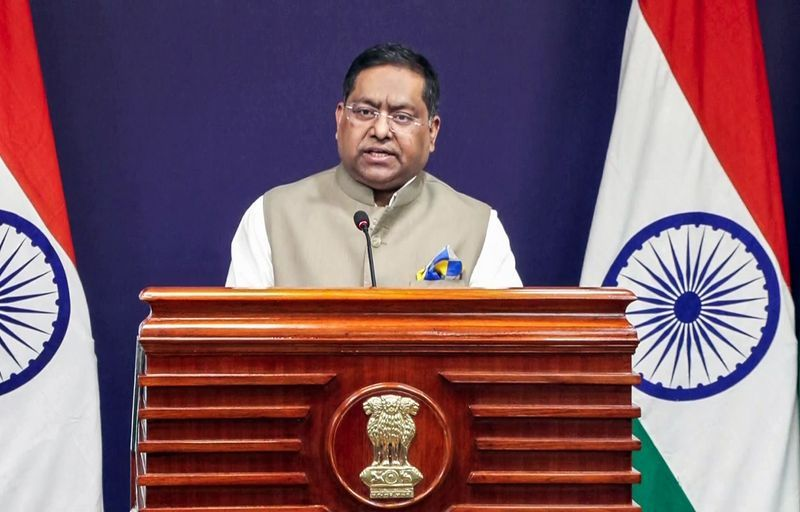
MEA spokesperson Randhir Jaiswal said both countries continued to use existing diplomatic and military mechanisms to address outstanding issues and prevent misunderstandings along the Line of Actual Control (LAC).
“As we have noted in the past, the situation in the India-China border areas gets disturbed from time to time when Chinese forces diverge from established patrolling patterns,” Jaiswal said.
Asked about the specifics of the face-offs cited by Indo-Tibetan Border Police (ITBP) Director-General Shatrujeet Kapoor, the spokesperson referred the query to the Ministry of Defence.
The remarks came a day after Kapoor, while addressing ITBP personnel in Alwar, said face-offs between Indian and Chinese forces were still continuing at several locations in Arunachal Pradesh. His comments marked an official confirmation of the ongoing confrontations.
Jaiswal said the two sides had agreed to discuss ways to improve their understanding of the LAC in appropriate areas to strengthen border management.
“I would also like to emphasise that the maintenance of peace and tranquillity in the border areas is essential for the overall development of bilateral relations,” he said.
India and China have been seeking to manage tensions along the disputed boundary through diplomatic and military-level engagements.
Differences over patrolling and the perception of the LAC have remained a source of friction, with both sides maintaining their respective positions on the boundary.
The latest remarks underline New Delhi’s position that adherence to established patrolling patterns and continued communication between the two sides are necessary to prevent confrontations from escalating.