
The strength of any nation’s Armed Forces lies not merely in advanced weapons, sophisticated technology or superior battlefield capabilities. History consistently reminds us that the enduring foundations of military power are loyalty, discipline, institutional integrity and an unwavering commitment to constitutional values. These principles, collectively reflected in India’s tradition of Soldiering Dharma, deserve renewed attention as the nation navigates a rapidly changing social and strategic environment.
The Indian subcontinent’s history offers important lessons. Many foreign invasions and prolonged periods of external rule succeeded not simply because invaders possessed stronger armies, but because internal rivalries, divided loyalties and political fragmentation weakened indigenous resistance. Whenever personal ambition or sectional interests prevailed over collective national purpose, the consequences were profound. The future of nations is ultimately written by the loyalty of their people rather than by military technology alone.
India’s Armed Forces have historically remained insulated from political, religious and ideological divisions. Their apolitical character has been one of the greatest strengths of the Republic. Today, however, increasing social polarization and visible political affiliations among some veterans have generated public debate. While every citizen enjoys democratic freedoms after retirement, preserving public confidence in the political neutrality of military institutions remains essential. The loyalty of a soldier must continue to rest exclusively with the Constitution, the Nation and the chain of command.
Another emerging concern is the growing volume of litigation before the Armed Forces Tribunal (AFT) High Courts and Supreme Court’s . A large number of service, pension and welfare disputes indicate that existing administrative mechanisms often fail to provide timely and satisfactory resolutions. Delayed justice imposes financial, emotional and professional costs on serving personnel, veterans and their families. It also points towards the need for more responsive human resource policies and administrative reforms.
Equally significant is the absence of a comprehensive statutory framework addressing the long-term welfare, resettlement and rehabilitation of military personnel. India has enacted laws governing recruitment, discipline and service conditions, yet no unified Armed Forces Welfare and Resettlement legislation comprehensively addresses transition from military to civilian life. As service models evolve and national security challenges become more complex, such a framework deserves serious consideration.
Recent structural changes have also generated uncertainty among certain categories of personnel. Short Service Commissioned Officers have long sought greater clarity regarding career progression, pensionary entitlements and post-release rehabilitation. Likewise, the Agniveer recruitment model has sparked an important national discussion on long-term employment prospects, skill utilisation and social security after military service. Whatever one’s view of these policies, their long-term success will depend upon ensuring fairness, predictability and dignified opportunities after release from service.
Military rank represents far more than organisational hierarchy. It embodies constitutional authority, professional competence, responsibility and lifelong honour. Any perception that institutional equality is weakening or that different categories of soldiers are being treated unequally can affect morale and cohesion—the very qualities upon which military effectiveness depends.
India’s security will undoubtedly benefit from modernisation and technological advancement. Yet no technology can substitute for trust, fairness, unity and disciplined leadership. Preserving Soldiering Dharma, strengthening welfare institutions, delivering timely justice, and ensuring that every soldier—regular, Short Service or Agniveer—is treated with dignity and fairness will ultimately strengthen both the Armed Forces and the Republic they serve.
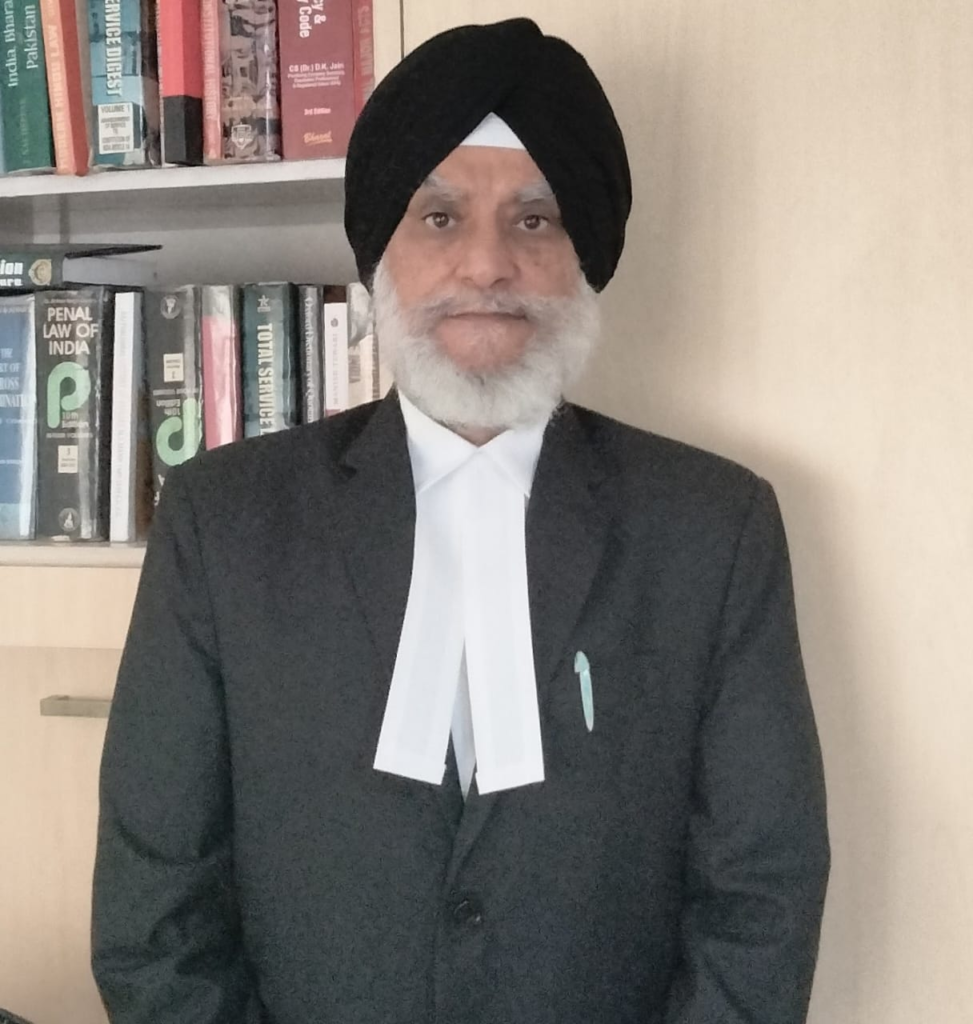
🇮🇳 Jai Hind
Lt Col Gurparkash Singh Virk
9876558525
colgpsvirk@gmail.com