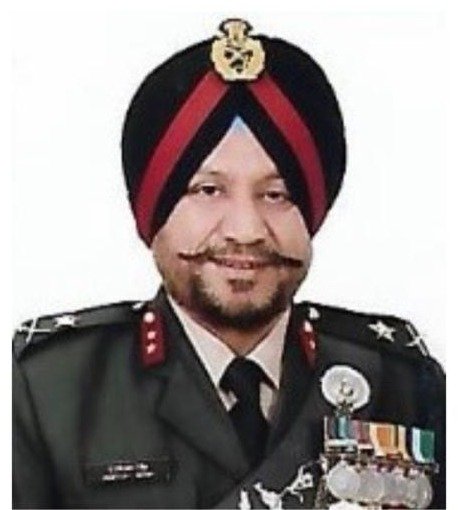
Maj Gen Harvijay Singh, SM)
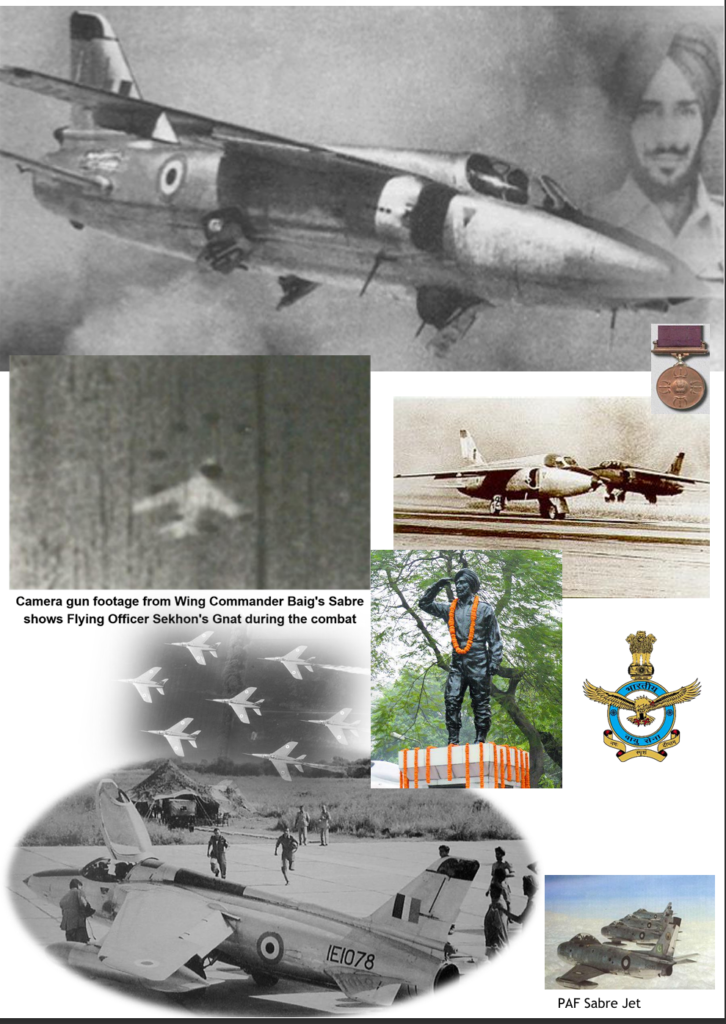
Pre emptive air strikes by Pakistan began at 5.45 PM on 3 Dec. IAF responded with alacrity and went into action the same night ….. operations continued at an unprecedented pace of 500 sorties per day. The IAF also won its first Param Vir Chakra; Flying Officer Nirmal Jit Singh Sekhon achieved this rare feat fighting six Pakistani aircraft alone in the Kashmir Valley. During 1971, Sekhon was posted with No.18 “Flying Bullets” Squadron flying the Gnat fighter. In accordance with the agreements of 1948, no air defence aircraft were based at Srinagar, until the outbreak of hostilities. The squadron, new to the area was not fully acquainted with the terrain and cold climate. Nevertheless, they fought waves of Paki aircraft. The Gnat was a gallant opponent for the larger and heavier Pak Sabre F 86 which itself was a legendry jet – the Gnat downed many Sabres during 1965 Indo Pak War and was nicknamed “Sabre Slayer”. Sekhon was fondly known as ‘Brother’ in the Squadron. Early morning on 14 Dec, Srinagar Airfield was attacked by a wave of six enemy Sabre aircraft in an early morning raid. The strike force comprised four F-86F Sabres led by Wing Commander Sharbat Ali Changazi, with Flight Lieutenants H K Dotani, Amjad Andrabi and Maroof Mir heaving two 500 lbs bombs and nose-bay packed with 12.7 mm belted machine gun ammunition. They took off from Peshawar for Srinagar airfield 320 kilometres away seeking to crater its runway with their 500 lb packages.
Flight Lieutenants Salim Baig and Rahim Yusufzai flew as escorts in two F-86Fs Sabre with all six M3 Browning machine guns fully loaded. All carried external 760 litre fuel drop tanks to stretch their endurance. At Srinagar airfield, a loaded pair of interceptor aircraft always remained on runway readiness strapped up and ready to take off on a moment’s notice. Kashmir valley had no radar then, IAF had to depend on observation posts pitched atop the Pir Panjal ridges, and elsewhere, to detect attackers and warn of incoming raids on radio. That day (14 Dec) Flight Lieutenant Balbir Singh Ghuman and Flying Officer Nirmal Jit Singh Sekhon were on runway readiness. There was a thick fog in the Valley. The Sabres descended to low level over the Pir Panjal Range, veered towards the Srinagar Airport and pulled up to 3,200 metres altitude for the bomb run. At about 8 AM sirens blared at the runway. The runway ready aircraft were ordered to scramble. Even while they took flight, two pairs of bombs dropped by the raiders exploded on the runway behind them. Sekhon spotted the sabres and accelerated to catch up with them, Ghuman meanwhile unable to spot them in the fog climbed up to the designated Combat Air Patrol (CAP) zone. “I am behind two Sabres. I won’t let them get away,” Sekhon roared on the radio. “Good show, Brother, where are you?” Ghuman responded wanting to check whether Sekhon’s tail was clear of the attackers, both buddies and two more interceptors which had got airborne were operating separately which was not good for Sekhon already caught up in a dogfight. Sekhon manoeuvred behind Dotani and fired a burst from his machinegun. Unlike modern fighters, the Gnat and Sabre were not armed with air-to-air missiles; just the front guns for aerial combat – this demanded great skills. Due to poor visibility, Sekhon missed. Dotani escaped by the skin of his teeth – with his life at stake, he managed to drop out of sight and limped away. Mir followed him. Sekhon now shifted sights to Changazi. Sensing an opportunity, Andrabi at full throttle manoeuvred to tailgate the Gnat, leaving Sekhon sandwiched between him and Changazi. With visibility dimming, distinguishing the flecks of Sabres and Gnat battling it out at 100 metres above ground was impossible. There was to be no support for Sekhon today — he was left alone to fight two experienced sabre pilots.
The Pakistanis on their part couldn’t have asked for more. While Sekhon’s Gnat chased a Sabre, the second Sabre pursed the Gnat, in a dogfight of sharp twists and turns with no one prepared to yield. “I’m in a circle of joy but with two Sabres. I am getting behind one, but the other is getting an edge on me,” Sekhon’s voice crackled. He let off a burst of 30 mm ammo from the cannons on Changazi – missed. Meanwhile, Andrabi, firing all cylinders closed in over Sekhon. He pressed his trigger but drew a blank; he had run out of ammo. Sensing the moment, feisty Sekhon converged on to Changazi for the kill. Paki escorts who were encircling above in support of the bomb run, had remained undetected so far and dropped quickly to join the dogfight against Sekhon. He was now up against four Sabres. Baig zeroed in. Three hundred metres. Six machineguns volleyed, discharging the whole nine-yard clip. “I think I have been hit” Sekhon radioed his buddy, come and get them.” With black smoke belching, the Gnat levelled her wings and turned towards base. The hail of bullets had peppered the Gnat’s tail and knocked out her flight control system.
She soon flipped, nosedived and plummeted into a gorge near Badgam. Sekhon pulled the ejection seat handle to save himself. The canopy flew off, but the parachute deployed only partially as the Gnat was too close to the ground. Thick fog and speed of action prevented any support for Sekhon who took on six Sabres single handedly unmindful of his safety and exhibited extraordinary gallantry. It was not his day, yet he made it his own. For his extraordinary gallantry and flying skills against odds of 1:6, Flying Officer Nirmal Jit Singh Sekhon, was awarded the Param Vir Chakra, the only air warrior to be elevated to the highest wartime pedestal. “He put up a brave fight….” Flight Lieutenant (Later Wing Commander) Salim Baig who shot down Flying Officer Nirmal Jit Singh Sekhon. ‘Brother Sekhon’, your bravery is unmatched you are a hero for generations of air warriors; we salute you.
Sekhon manoeuvred behind Dotani and fired a burst from his machinegun. Unlike modern fighters, the Gnat and Sabre were not armed with air-to-air missiles; just the front guns for aerial combat – this demanded great skills. Due to poor visibility, Sekhon missed. Dotani escaped by the skin of his teeth – with his life at stake, he managed to drop out of sight and limped away. Mir followed him. Sekhon now shifted sights to Changazi. Sensing an opportunity, Andrabi at full throttle manoeuvred to tailgate the Gnat, leaving Sekhon sandwiched between him and Changazi. With visibility dimming, distinguishing the flecks of Sabres and Gnat battling it out at 100 metres above ground was impossible. There was to be no support for Sekhon today — he was left alone to fight two experienced sabre pilots. The Pakistanis on their part couldn’t have asked for more. While Sekhon’s Gnat chased a Sabre, the second Sabre pursed the Gnat, in a dogfight of sharp twists and turns with no one prepared to yield. “I’m in a circle of joy but with two Sabres. I am getting behind one, but the other is getting an edge on me,” Sekhon’s voice crackled. He let off a burst of 30 mm ammo from the cannons on Changazi – missed. Meanwhile, Andrabi, firing all cylinders closed in over Sekhon.
He pressed his trigger but drew a blank; he had run out of ammo. Sensing the moment, feisty Sekhon converged on to Changazi for the kill. Paki escorts who were encircling above in support of the bomb run, had remained undetected so far and dropped quickly to join the dogfight against Sekhon. He was now up against four Sabres. Baig zeroed in. Three hundred metres. Six machineguns volleyed, discharging the whole nine-yard clip. “I think I have been hit” Sekhon radioed his buddy, come and get them.” With black smoke belching, the Gnat levelled her wings and turned towards base. The hail of bullets had peppered the Gnat’s tail and knocked out her flight control system. She soon flipped, nosedived and plummeted into a gorge near Badgam. Sekhon pulled the ejection seat handle to save himself.
The canopy flew off, but the parachute deployed only partially as the Gnat was too close to the ground. Thick fog and speed of action prevented any support for Sekhon who took on six Sabres single handedly unmindful of his safety and exhibited extraordinary gallantry. It was not his day, yet he made it his own. For his extraordinary gallantry and flying skills against odds of 1:6, Flying Officer Nirmal Jit Singh Sekhon, was awarded the Param Vir Chakra, the only air warrior to be elevated to the highest wartime pedestal. “He put up a brave fight….” Flight Lieutenant (Later Wing Commander) Salim Baig who shot down Flying Officer Nirmal Jit Singh Sekhon. ‘Brother Sekhon’, your bravery is unmatched you are a hero for generations of air warriors; we salute you.